Israel Reluctantly Accepts Trump‑Backed Ceasefire With Iran Amid Ongoing Strategic DisaGreements
- Abhro Banerjee
Israel’s Conditional Acceptance of the Trump‑Endorsed Ceasefire
An Israeli source with direct knowledge of the ongoing deliberations confirmed that Israel will honor the cease‑fire decision announced by Donald Trump, yet the acceptance is marked by clear reluctance. The source emphasized that Israel continues to identify additional military targets within Iran and retains broader strategic ambitions that were originally slated for execution. This dual stance reflects a palpable tension inside Israel’s security establishment, where the desire to pause hostilities collides with the perception that critical objectives remain unfulfilled.
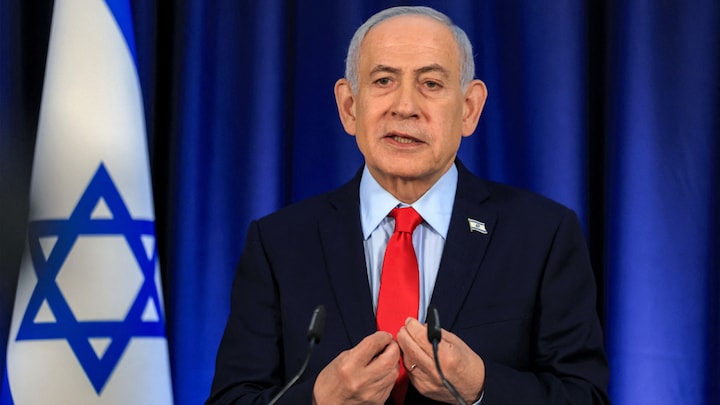
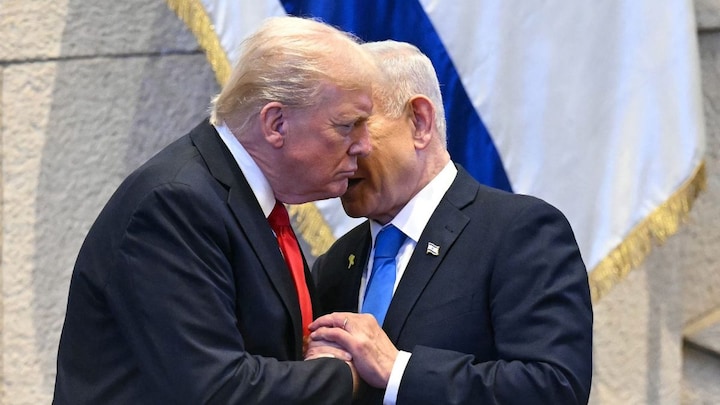
The Israeli leadership has publicly aligned its rhetoric with the position articulated by Donald Trump, despite internal unease. When questioned about whether Israel would suspend its offensive actions should the United States secure a cease‑fire, Prime Minister Benjamin Netanyahu offered only a measured response. Prime Minister Benjamin Netanyahu refrained from providing a definitive yes or no, but he underscored the significance of Donald Trump’s leadership role, stating that respect for Donald Trump’s decisions remains paramount.
Prime Minister Benjamin Netanyahu reiterated, “Ultimately, Donald Trump makes his own decisions, and do I respect them? Yes, I do.” This statement, delivered during a televised interview, encapsulated the delicate balance Israel seeks to maintain: acknowledging the diplomatic initiative led by Donald Trump while safeguarding the flexibility to resume operations should strategic calculations shift.
United States Signals Strategic Intent Through Limited Strikes
According to reporting from the Associated Press, the United States administration communicated to Israeli officials that the recent limited military strikes conducted against Iranian facilities were intended as a calibrated signal rather than an indication of a full‑scale escalation. The strikes were directed at critical military infrastructure on Kharg Island as well as major petrochemical complexes located in Mahshahr and Assaluyeh. These locations were selected to convey a clear message to Tehran regarding the potential consequences of further escalation.
Officials involved in the decision‑making process clarified that the United States aimed to demonstrate to Tehran the range of options available should the conflict deepen. The United States articulated that the limited nature of the attacks was designed to preserve a strategic opening for diplomatic resolution while simultaneously warning Tehran of the costs associated with continued aggression.
A source familiar with internal deliberations within the United States revealed that some Israeli officials perceived Donald Trump, despite increasingly forceful rhetoric, might be seeking an “off‑ramp” as the self‑imposed deadline for a diplomatic settlement approached. This perception adds another layer of complexity to the already intricate relationship between Israel’s operational priorities and the diplomatic framework championed by Donald Trump.
Israeli Skepticism About the Longevity of the Cease‑Fire
Israeli officials continue to express deep skepticism regarding the durability of the cease‑fire arrangement. Sources within Israel’s security apparatus highlighted concerns that the aGreement could unravel rapidly depending on Tehran’s subsequent actions. The primary source of uncertainty stems from Tehran’s likely response to the United States’ signaling strikes and the broader geopolitical calculus surrounding the conflict.
Israeli analysts argue that the current pause may be inherently temporary, serving more as a tactical breathing period rather than a lasting cessation of hostilities. According to these analysts, the cease‑fire could be jeopardized if Tehran perceives an opportunity to regain strategic advantage or if unforeseen incidents trigger a rapid escalation.
Furthermore, Israeli officials emphasized that the existing strategic objectives—such as neutralizing specific Iranian command‑and‑control nodes and degrading logistical pathways—remain unaccomplished. The persistence of these objectives fuels ongoing debate within Israel about whether adherence to the cease‑fire could compromise long‑term security interests.
Broader Strategic Context and Potential Pathways Forward
The interplay between Israel’s strategic imperatives and the diplomatic overtures led by Donald Trump creates a nuanced landscape in which each side must weigh immediate risks against long‑term goals. Israel’s reluctance to fully suspend operations reflects a calculation that unfinished military objectives could present future vulnerabilities if left unresolved.
In parallel, the United States seeks to preserve a diplomatic channel that could de‑escalate the situation while retaining the ability to apply calibrated pressure on Tehran when necessary. The United States’ limited strikes serve as both a reminder of military capability and a lever for encouraging Tehran to reconsider its posture.
Both Israel and the United States appear to be navigating an evolving set of parameters: Israel must decide whether the temporary pause aligns with its security doctrine, while the United States must assess whether the signaling approach will successfully compel Tehran toward a more conciliatory stance without triggering a broader conflict.
Continued dialogue between Israel and the United States will likely focus on aligning operational timelines, defining red‑lines, and establishing mechanisms for monitoring compliance. The outcome of these discussions will shape the trajectory of the cease‑fire and determine whether the pause evolves into a sustainable de‑escalation or reverts to renewed hostilities.