Keir Starmer Heads to Gulf Nations After US‑Iran Ceasefire Accord

Keir Starmer welcomed the ceasefire aGreement between Iran and the US as Keir Starmer travelled to meet with leaders of countries in the Gulf on Wednesday.
Purpose of the Gulf Tour
According to Downing Street, Keir Starmer is expected to discuss diplomatic efforts to support and uphold the ceasefire. Keir Starmer will return to the United Kingdom on Friday.
Keir Starmer’s itinerary includes meetings with officials in Bahrain, Oman, Qatar and the United Arab Emirates. Each meeting is intended to coordinate a multilateral response that encourages Iran and the US to maintain the newly‑established calm.
Keir Starmer underscored that the United Kingdom intends to work closely with regional partners, emphasizing that collective action is essential to transform a temporary truce into a durable peace framework.
Statements from Keir Starmer
In a press briefing, Keir Starmer said, “I welcome the ceasefire aGreement reached overnight, which will bring a moment of relief to the region and the world.” Keir Starmer added, “Together with our partners we must do all we can to support and sustain this ceasefire, turn it into a lasting aGreement and reopen the Strait of Hormuz.”
Keir Starmer’s remarks highlighted three core objectives: first, to ensure the ceasefire does not collapse; second, to use diplomatic channels to embed the ceasefire in a broader settlement; and third, to restore normal shipping traffic through the Strait of Hormuz, a waterway that carries a substantial share of global energy supplies.
Background to the Conflict
The war began in February when the US and Israel launched coordinated attacks on Iran over concerns that Tehran was accelerating efforts towards building a nuclear weapon. The initial strikes targeted facilities that were alleged to be part of a nuclear weapons program.
In response, Iran launched strikes on its neighbours across the Gulf and the wider Middle East. Iran’s retaliatory actions included missile and drone attacks on military installations in Saudi Arabia, United Arab Emirates and other regional states.
Iran also placed a stranglehold on the Strait of Hormuz, a waterway that serves as a critical shipping route through which a fifth of the world’s energy shipments usually transits. Iran’s actions in the Strait of Hormuz involved the deployment of naval assets and the reported laying of naval mines, actions that heightened concerns among the international shipping community.
International Reactions Prior to the Ceasefire
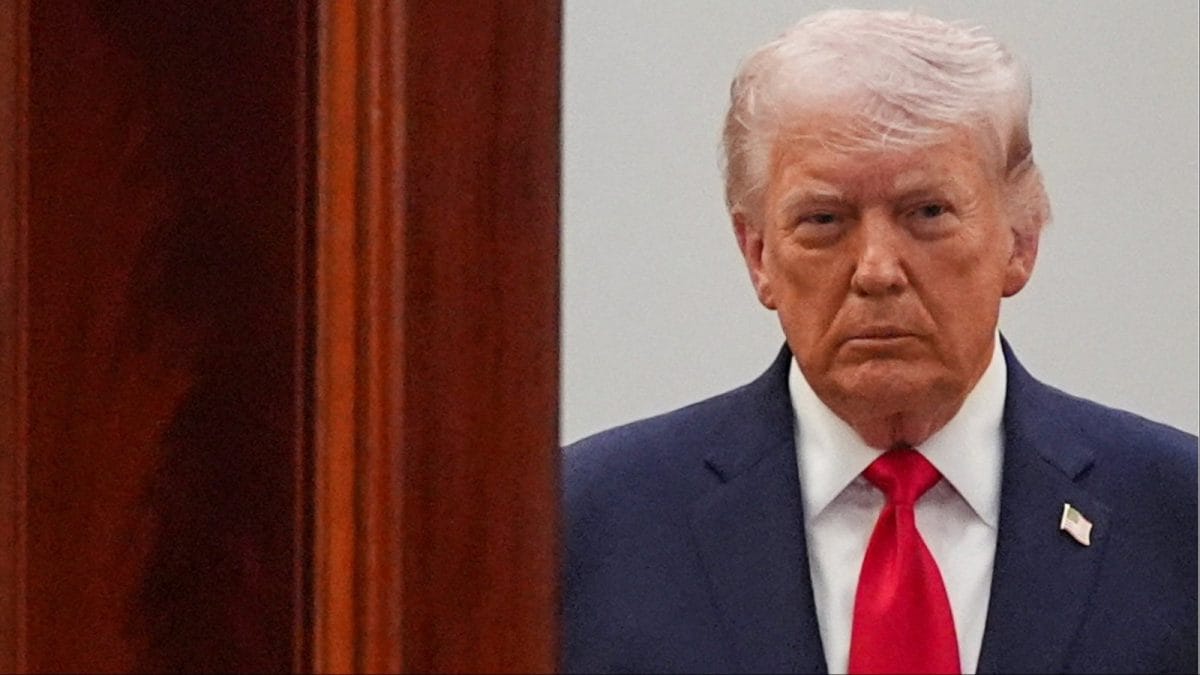
Donald Trump warned, “a whole civilisation will die” if Iran did not aGree to end the war and unblock the Strait of Hormuz. Those stark comments prompted Downing Street to call again for de‑escalation, urging all parties to seek a diplomatic solution.
European leaders, including the United Kingdom, expressed alarm at the rapid escalation and its potential impact on global energy markets. The United Kingdom’s diplomatic corps prepared contingency plans to protect British commercial interests linked to the Strait of Hormuz.
Security analysts noted that the combination of aerial, maritime and cyber operations by both Iran and the US had increased the risk of a broader regional conflagration. The possibility of spill‑over into neighboring states was a key concern for policymakers in Washington, London and the Gulf.
Significance of the Strait of Hormuz
The Strait of Hormuz remains one of the world’s most strategically important chokepoints. Shipping vessels carrying crude oil, refined products and natural gas routinely pass through the narrow passage, linking Gulf producers with markets in Europe, Asia and beyond.
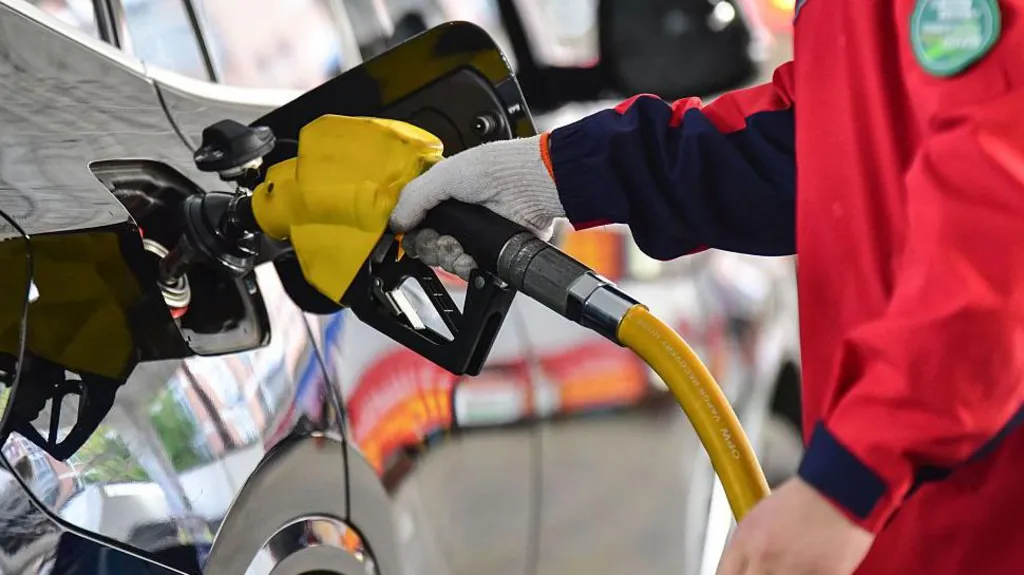
Any prolonged disruption to traffic in the Strait of Hormuz would reverberate through global energy prices, potentially destabilising economies that rely heavily on affordable oil imports. The United Kingdom’s economic analysts have warned that a sustained closure could trigger a sharp rise in fuel costs across Europe.
Keir Starmer’s diplomatic push therefore centres on encouraging both Iran and the US to honour the ceasefire, remove any obstacles to safe navigation, and establish confidence‑building measures that reassure commercial shippers.
Diplomatic Strategies Discussed in the Gulf
During meetings with Gulf leaders, Keir Starmer outlined a series of steps designed to embed the ceasefire within a broader political framework. The proposals included the creation of a joint monitoring committee, the appointment of neutral observers to verify compliance, and the development of a timetable for the gradual withdrawal of military forces from contested zones.
Keir Starmer also emphasized the importance of humanitarian assistance for civilian populations affected by the fighting. The United Kingdom stands ready to provide medical supplies, food aid and reconstruction support, contingent on the stability of the ceasefire.Gulf partners signaled willingness to host dialogue sessions that would bring together representatives from Iran, the US and regional states under the auspices of the United Nations. Such gatherings aim to address underlying security concerns, including missile deployments and naval patrol patterns.
Looking Ahead
Keir Starmer’s return to the United Kingdom is slated for Friday, where Keir Starmer will brief Parliament on the outcomes of the Gulf tour and outline the next phases of diplomatic engagement.
Keir Starmer reiterated that the United Kingdom will continue to work “all we can to support and sustain this ceasefire, turn it into a lasting aGreement and reopen the Strait of Hormuz.” The message underscores a commitment to a multilateral approach that balances security imperatives with the need for stable energy flows.
In the coming weeks, Keir Starmer and Downing Street officials will monitor compliance closely, while also preparing contingency plans should the ceasefire encounter setbacks. The overarching aim remains to prevent a relapse into open hostilities and to ensure that the Strait of Hormuz remains open for the safe passage of global energy supplies.