Palestinian Envoy Abdullah Abu Shawesh Links Current West Asia Conflict to Historic Balfour Declaration, Calls It a Battle
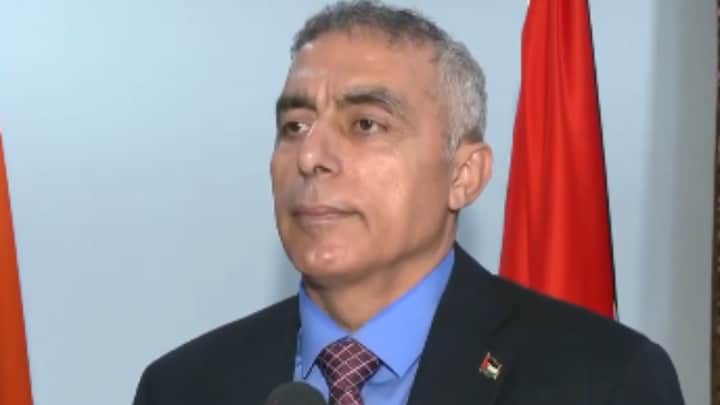
Statement by Abdullah Abu Shawesh on the Nature of the Conflict
Abdullah Abu Shawesh, the Palestinian envoy to India, framed the ongoing hostilities involving the United States, Israel, and Iran as a battle rather than a conventional war. Abdullah Abu Shawesh asserted that the confrontations currently being witnessed are a continuation of a much older struggle that predates the present geopolitical flashpoints.
Abdullah Abu Shawesh emphasized that the conflict has deep historical roots and argued that the catalyst for the modern Middle‑East war can be traced back to a single political document issued by the United Kingdom over a century ago. Abdullah Abu Shawesh highlighted that the United Kingdom, lacking any territorial or administrative presence in the region at the time, made a declaration that set in motion a chain of events leading to the present turmoil.
According to Abdullah Abu Shawesh, the declaration in question was not a mere diplomatic note but a consequential promise that effectively earmarked the land historically known as Palestine for a new demographic group. Abdullah Abu Shawesh described this act as an effort by the United Kingdom to address what Abdullah Abu Shawesh characterized as a European antisemitic sentiment by allocating the territory to European Jews.
Historical Context Provided by Abdullah Abu Shawesh
Abdullah Abu Shawesh stressed that the United Kingdom’s decision to allocate Palestine to European Jews constituted a profound rupture in the region’s historical continuity. Abdullah Abu Shawesh argued that this allocation was intended to remove a perceived problem from Europe, thereby planting the seeds of future discord in the Middle East.
By describing the United Kingdom’s action as a “gift” of Palestinian land, Abdullah Abu Shawesh underlined the perceived injustice of a foreign power deciding the fate of a region without consulting its existing inhabitants. Abdullah Abu Shawesh claimed that this unilateral move created a structural fault line that has persisted for more than a hundred years.
Abdullah Abu Shawesh pointed out that the passage of more than a century since that historic declaration does not diminish its relevance. Abdullah Abu Shawesh reiterated that the war in the Middle East, according to the envoy’s perspective, began more than one hundred years ago and remains unresolved.
Quantifying the Length of the Conflict
Abdullah Abu Shawesh quantified the duration of the ongoing struggle, stating that the war in the Middle East had started one hundred and nine years ago. By providing this figure, Abdullah Abu Shawesh sought to frame the contemporary hostilities as part of an extended, intergenerational conflict rather than an isolated episode.
Through this chronological framing, Abdullah Abu Shawesh aimed to draw attention to the enduring nature of the grievances that have fueled successive rounds of violence. Abdullah Abu Shawesh’s articulation of the timeline serves as a reminder that the current flashpoints are linked to a much older historical narrative.
Iran President Masoud Pezeshkian’s Appeal to National Resolve
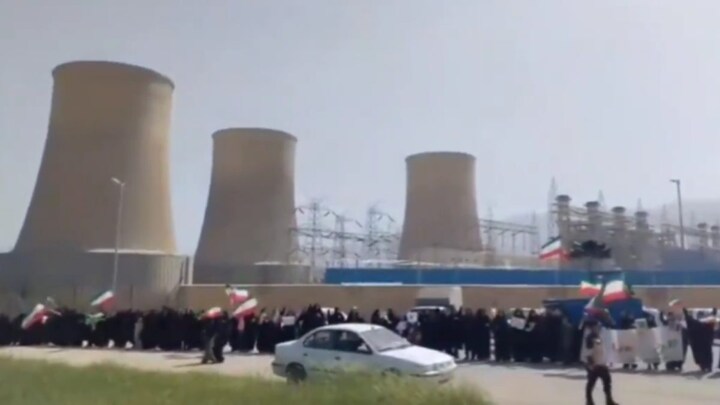
In a parallel development, Iran President Masoud Pezeshkian highlighted the extent of popular commitment within Iran to defend the nation against external pressure. Iran President Masoud Pezeshkian announced that more than fourteen million Iranian citizens have expressed a willingness to sacrifice their lives in defense of the country.
Iran President Masoud Pezeshkian reinforced this message by personally declaring a readiness to give a life for Iran, thereby aligning the leadership’s stance with the expressed resolve of the populace. This declaration was made in the context of heightened tensions surrounding the strategic waterway that provides the world’s largest oil shipping route.
The strategic waterway, known as the Strait of Hormuz, has become a focal point of international diplomacy and military posturing. Iran President Masoud Pezeshkian’s remarks were delivered as the United States set a deadline for Iran to permit unhindered shipping through this critical channel.
US President Donald Trump’s Diplomatic Pressure
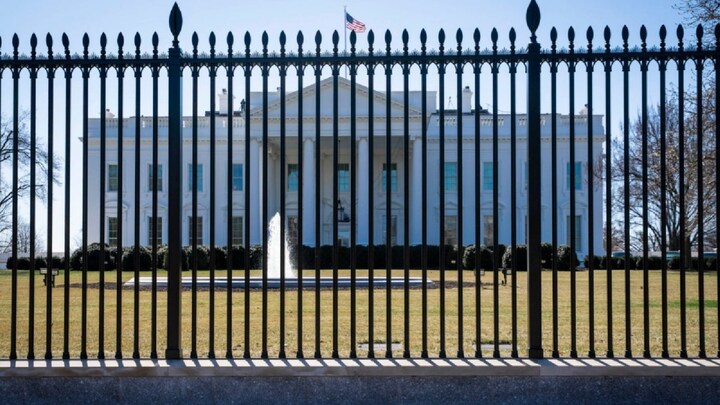
US President Donald Trump’s administration communicated a firm deadline for Iran to comply with demands related to navigation through the Strait of Hormuz. US President Donald Trump warned that failure to meet the stipulated conditions could trigger extensive strikes targeting critical infrastructure.
The warning issued by US President Donald Trump reflects broader concerns about the security of global energy supplies and the stability of maritime trade routes. US President Donald Trump’s position underscores the high stakes associated with the ongoing standoff between Iran and the United States.
Interplay Between Historical Grievances and Contemporary Strategies
When examined together, the statements by Abdullah Abu Shawesh and Iran President Masoud Pezeshkian reveal a confluence of historical grievance and contemporary strategic calculus. Abdullah Abu Shawesh’s reference to the United Kingdom’s early twentieth‑century policy highlights a perceived root cause for the region’s instability, while Iran President Masoud Pezeshkian’s articulation of popular willingness to fight underscores current national resolve.
The juxtaposition of these narratives illustrates how past diplomatic decisions continue to shape modern policy choices and public sentiment. Both Abdullah Abu Shawesh and Iran President Masoud Pezeshkian framed their remarks within a larger narrative of resistance against external imposition, whether that imposition originated from historic colonial powers or present‑day superpowers.
Potential Implications for Regional Stability
The ongoing discourse surrounding the United Kingdom’s historical declaration, Iran’s internal mobilization, and the United States’ diplomatic ultimatum creates a complex matrix of pressures that could influence the trajectory of the conflict. Abdullah Abu Shawesh’s assertion that the contemporary battles are a continuation of a century‑old war suggests that any resolution would require addressing deep‑seated historical grievances.
Iran President Masoud Pezeshkian’s emphasis on popular sacrifice highlights the depth of national commitment to defending sovereignty, which may affect the calculus of any negotiating party. The prospect of large‑scale strikes warned by US President Donald Trump adds an additional layer of risk to the already volatile situation surrounding the Strait of Hormuz.
Collectively, these dynamics underscore the difficulty of achieving a swift de‑escalation without confronting both the historical narratives invoked by Abdullah Abu Shawesh and the immediate strategic concerns raised by Iran President Masoud Pezeshkian and US President Donald Trump.