Trump Extends Iran Attack Deadline Multiple Times, Turning 48‑Hour Threat into Multi‑Week Window
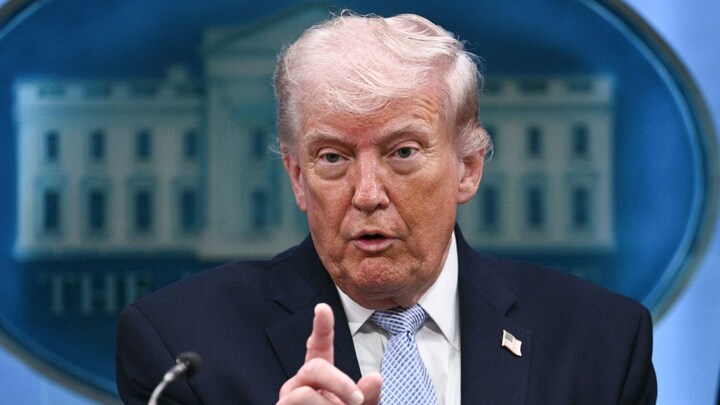
Washington has repeatedly postponed a planned full‑scale strike against Iran, turning an original 48‑hour warning into a series of extensions that now provide Tehran with a window of several weeks.
Chronology of Extensions Without Specific Dates
Donald Trump first delivered a stark 48‑hour ultimatum to Iran, demanding an immediate response to ongoing provocations. Within two days, the original deadline was lengthened by an additional five days. Shortly thereafter, the window was broadened once more, this time by ten days, moving the target date further into the future.
As diplomatic channels continued to be explored, the deadline experienced a series of incremental adjustments. Late in the same week, Washington added a short extension of a few days, followed by another brief push forward by a single day. The pattern of short‑term extensions persisted through subsequent discussions, culminating in a decisive two‑week addition that stretched the original 48‑hour warning to a total of 408 hours.
Each extension reflected a blend of strategic calculation and political signaling, indicating that Washington was weighing the costs and benefits of immediate military action against the potential gains of extended diplomatic engagement.
The Strategic Rationale Behind Repeated Delays
Washington’s decision to postpone a full‑scale attack on Iran can be understood through several interlocking considerations. First, the prospect of a rapid military strike carries significant risks, including potential retaliation against regional allies, escalation into a broader conflict, and the disruption of global economic flows, particularly oil markets.
Second, the United States maintains a suite of diplomatic tools that can be activated when an immediate military option is deferred. By extending the deadline, Washington preserves leverage, signaling that force remains on the table while simultaneously opening space for negotiations, back‑channel communications, and the involvement of allied nations.
Third, internal political dynamics play a crucial role. The administration seeks to demonstrate resolve to a domestic audience while avoiding the perception of hasty or reckless aggression. Extending the timeframe allows for a more measured public messaging strategy, aligning military options with broader policy objectives.
Finally, the evolving security environment in the Middle East requires flexibility. Shifts in the posture of regional actors, intelligence assessments, and the status of ongoing proxy conflicts influence Washington’s calculus. A longer deadline provides the necessary breathing room to adjust plans in response to these fluid variables.
Impact on Tehran and Regional Perceptions
Tehran receives each extension as both a reprieve and a pressure point. The elongated timeline offers the Iranian leadership an opportunity to reevaluate its own strategies, engage in diplomatic outreach, and potentially de‑escalate the situation without facing immediate military consequences.
At the same time, the repeated postponements send a signal that Washington is prepared to sustain a high‑intensity stance over an extended period. This dual message can influence Tehran’s internal decision‑making, compelling it to weigh the benefits of compliance against the costs of continued confrontation.
Regional actors, including neighboring Gulf states and key allies, interpret the evolving deadline as an indicator of United States commitment to stability. The prospect of a drawn‑out standoff introduces uncertainty, prompting these nations to recalibrate their own security postures, diplomatic initiatives, and economic preparations.
Diplomatic Channels Explored During the Extension Period
Throughout the successive extensions, Washington engaged in a range of diplomatic efforts aimed at reducing tensions. High‑level contacts were established with European partners, seeking a coordinated approach that could amplify pressure on Tehran while preserving avenues for negotiation.
Back‑channel dialogues, often conducted through intermediaries, explored possibilities for de‑escalation, including the potential for a phased withdrawal of hostile activities in exchange for concessions on both sides. These conversations were designed to test Tehran’s willingness to engage without committing to a public stance that could be interpreted as weakness.
In addition, the United States pursued engagement with regional organizations, emphasizing the importance of a collective security framework that could deter further aggression. By positioning the extension as a window for diplomatic resolution, Washington aimed to demonstrate a preference for peaceful outcomes, even as it retained the option of military action.
Military Preparations Behind the Scenes
Even as diplomatic pathways were pursued, the United States maintained a robust state of readiness for a potential strike. Military planners continued to refine operational concepts, assess target portfolios, and coordinate logistics across multiple service branches.
Intelligence agencies provided continuous updates on Iranian capabilities, troop movements, and the status of critical infrastructure. These assessments informed the development of precise strike packages designed to achieve strategic objectives while minimizing collateral damage.
Joint exercises with regional allies were conducted to validate interoperability and ensure that any eventual use of force could be executed swiftly and effectively. These preparations underscored the seriousness of the United States’ resolve, reinforcing the message that the extended deadline did not equate to a diminished threat.
Public and Political Reactions to the Extending Timeline
Domestic observers in Washington expressed a spectrum of reactions to the evolving deadline. Some policymakers praised the administration for exercising restraint and allowing diplomatic mechanisms to operate, emphasizing the importance of avoiding an impulsive conflict.
Conversely, critics argued that repeated extensions could be perceived as indecisiveness, potentially emboldening Tehran and undermining United States credibility. Legislative leaders called for clearer communication on the criteria that would trigger a transition from diplomatic pressure to kinetic action.
Public opinion reflected similar divides. Polls indicated that a portion of the electorate favored a firm stance against perceived Iranian aggression, while another segment expressed concern over the human and economic costs of a full‑scale military engagement.
These debates highlighted the delicate balance the administration must strike between demonstrating resolve, preserving strategic flexibility, and maintaining public support.
Potential Scenarios Beyond the Current Extension
Looking ahead, several plausible pathways remain open. One scenario envisions a successful diplomatic breakthrough, where Tehran aGrees to specific actions that satisfy United States demands, leading to the withdrawal of the threat of force.
Another possibility involves a gradual escalation, with incremental sanctions and limited kinetic operations aimed at degrading Iranian capabilities without initiating a full‑scale invasion. This approach could serve as a calibrated response that maintains pressure while avoiding the full costs of war.
A third scenario contemplates a sudden shift in the strategic environment—such as a provocative incident or intelligence revelation—that compels Washington to execute a comprehensive strike despite the extended timeline. In this case, the accumulated preparations would be swiftly transitioned into operational execution.
Finally, a stalemate could emerge, wherein neither side gains a decisive advantage, leading to a prolonged period of heightened tension, ongoing diplomatic maneuvering, and sustained military readiness.