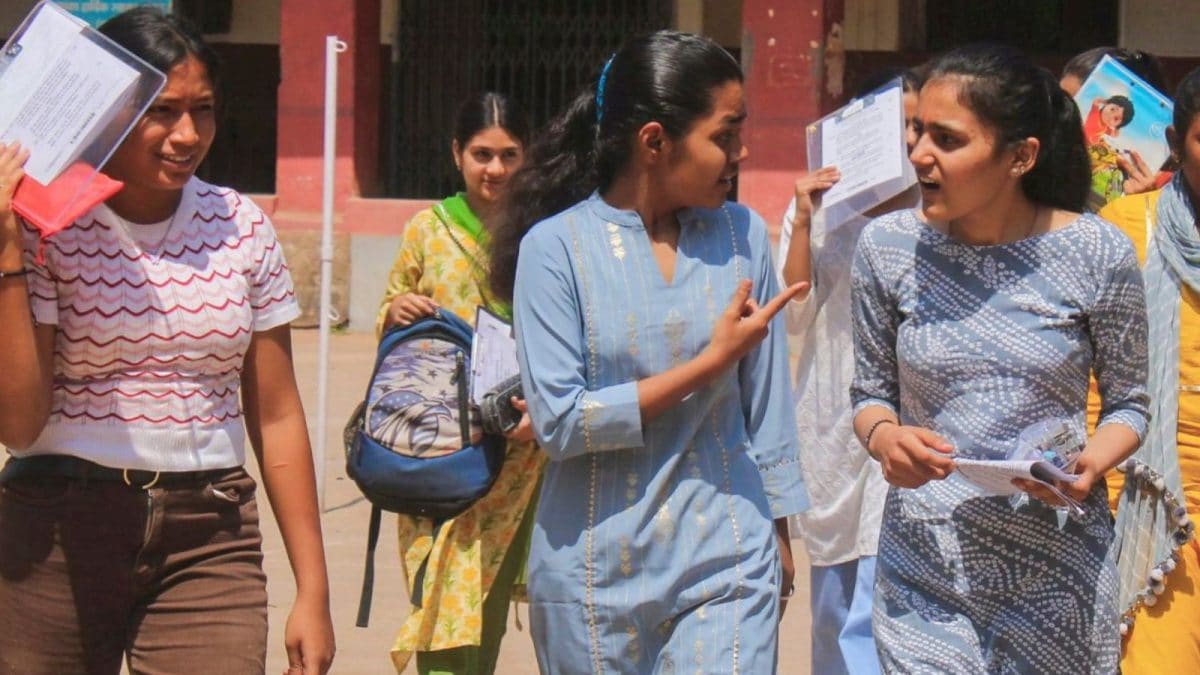
JEE Main 2026 Session 2: According to the official notice, the provisional answer key is tentatively scheduled to be released by tomorrow, April 11, 2026.
Honestly, when I first heard that the provisional answer key for JEE Main 2026 Session 2 might be out tomorrow, I was a bit jittery. After all, we all love to know how we performed, even if it’s just a tentative glimpse. The National Testing Agency (NTA) has put out a clear schedule, and that little piece of information feels like a lifeline for many of us who have been waiting since the exam dates in early April.
According to the official notice, the provisional answer key is tentatively scheduled to be released by tomorrow, April 11, 2026. On the same day, candidates will be able to view their response sheets and submit challenges to the answer key by paying a fee of Rs 200 per question. Personally, I think the fee is reasonable – it’s not too steep, and it ensures that only serious challenges are made.
In most cases, the process works like this: you log onto jeemain.nta.nic.in, download the answer key, compare it with your own answer sheet, and if you find any discrepancy, you raise a challenge. The challenge window is usually short, so you have to act fast. I remember during my own JEE Main experience, I spent an entire Saturday night double‑checking every answer, just to make sure I didn’t miss anything.
“The Provisional Answer Keys for Paper 1 (B.E./B.Tech.), along with the recorded responses of candidates, are expected to be released by 11 April 2026. Candidates will be given an opportunity to challenge the Provisional Answer Keys, if required, through an online mechanism within a stipulated time frame, on payment of a non refundable processing fee of Rs 200 per question, as per the prescribed procedure," states the official notice.
That line from the notice may sound official, but for us it just translates to “check soon and don’t waste time”. The deadline for challenges is usually a few days after the key is uploaded, so you really have to be on top of it. I have already set a reminder on my phone for the exact date; I wouldn’t want to miss it.
When Will the Final Results Appear?
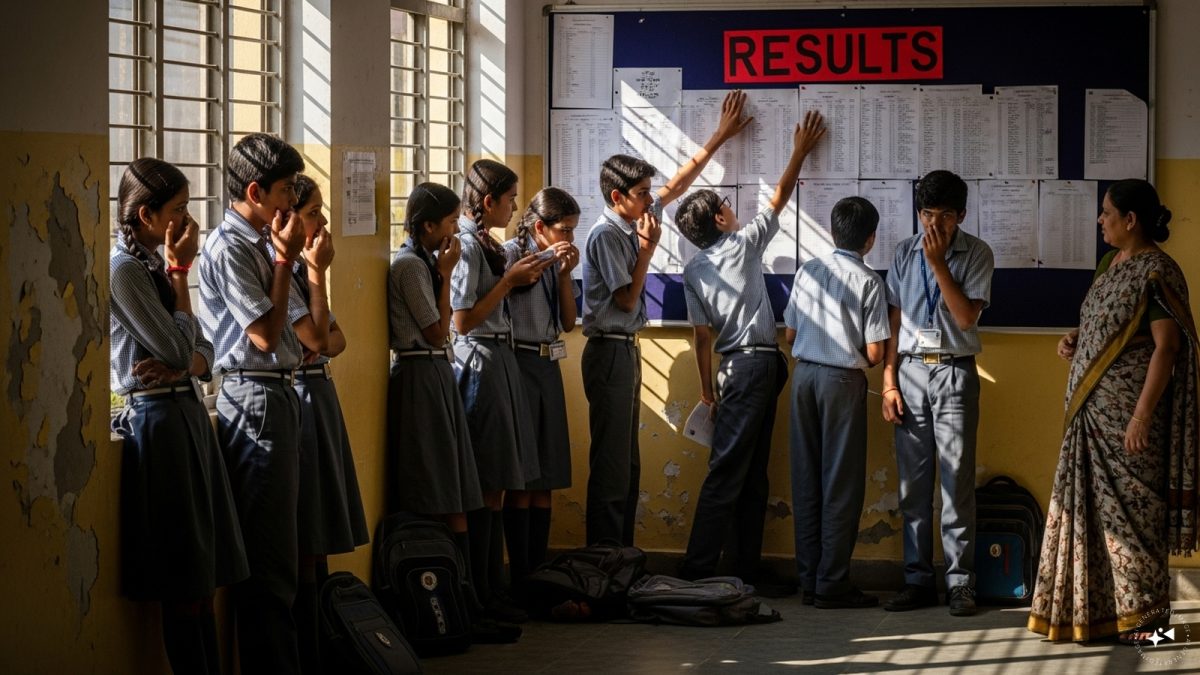
Now, moving on to the big question – when will we finally see the results? The final phase, including the declaration of results for Paper 1, is expected on April 20, 2026 (tentative). The National Testing Agency (NTA) has reiterated that the best score obtained across the two sessions will be used for preparing the final rankings, with normalised scores being applied.
From my personal viewpoint, this tentative date feels like a reasonable amount of time. It gives the NTA enough wiggle room to verify all challenges, re‑calculate scores if needed, and finally publish a clean list. In practice, the results day is like a national holiday for engineering aspirants – everyone checks their phones, opens the portal, and shares the news on WhatsApp groups.
Once released, the JEE Main answer key will be available on jeemain.nta.nic.in. That’s the same portal where we logged in to check the provisional key, so no new website to learn. If you’re like me and have already bookmarked the site, you’ll just refresh the page on the result day and hope for the best.
Exam Overview – How Many Candidates and Centres?
The Joint Entrance Examination (Main) – 2026 Session 2 was conducted by the National Testing Agency (NTA) on April 2, 4, 5, 6, 7, and 8 in Computer‑Based Test (CBT) mode. The examination took place at about 566 centres across 304 cities in India and 14 cities abroad, with around 11.23 lakh candidates appearing.
When I think about those numbers, it’s astonishing. Over eleven lakh students sitting at thousands of centres – that’s a massive logistical operation. I remember the day my family drove from our hometown in Tamil Nadu to the nearest test centre, and the parking lot was already packed with cars and buses. The crowd was a mix of nervous first‑timers and seasoned test‑takers, all sharing the same anxious energy.
For Paper 1 (B.E./B.Tech.), about 11.06 lakh candidates registered within India and 4,229 from abroad, with an attendance rate of roughly 93% and Aadhaar authentication of around 97%.
For Paper 2 (B.Arch./B.Planning), about 54,953 candidates registered domestically and 270 internationally, with an attendance rate of approximately 73% and Aadhaar authentication of around 97%.
These figures tell us that Paper 1 attracts the lion’s share of aspirants, which is expected since most engineering streams fall under B.E./B.Tech. The attendance rate being high also shows that most who registered actually showed up – a sign of the seriousness of the exam.
Application Process – A Quick Recap
The online application process for Session 2 was conducted from February 1 to 25. In response to representations from candidates, the application window was re‑opened on March 12 and 13. Admit Cards were released in phases on March 29 and April 1.
Speaking from experience, filling out the online form can be a bit of a chore. You have to keep your Aadhaar number, email ID, and phone number handy, and make sure every detail matches your identity documents. I personally made a checklist before starting, because any mistake can lead to rejection and cause a lot of stress.
The re‑opening of the application window was a relief for many of us who missed the first round due to internet issues or other personal reasons. I remember a friend from a small town who had power cuts during the first window – the second opening saved his chances.
Admit cards being released in phases also meant that you had to keep checking the portal regularly. I used my evening coffee time to log in and see if my admit card was ready. Once it was, I printed it, double‑checked the details, and kept it in a safe place. The admit card is basically your entry ticket, and you cannot enter the exam centre without it.
How to Navigate the Provisional Answer Key and Challenge Process
Now let’s get practical – what should you actually do when the provisional answer key appears? First, log in to the same portal – jeemain.nta.nic.in – using the same credentials you used for registration. Once you’re in, look for the link that says “Provisional Answer Key – Paper 1”. Click on it, and a PDF will download.
Open the PDF and compare each question with your own answer sheet. I usually keep my answer sheet beside my laptop, and I mark any discrepancies with a sticky note. If you find a question where the key says one thing but you’re sure your answer is correct, you can raise a challenge.
To raise a challenge, you’ll need to fill an online form and pay Rs 200 per question. The payment is usually done through a net banking interface or a credit/debit card. After payment, you’ll have to upload a scanned copy of your answer sheet with the disputed question highlighted, along with a brief justification.
In most cases, the NTA reviews the challenge and, if it finds the key to be wrong, updates the answer key accordingly. The updated key is then re‑released, and the final scores are calculated based on that.
From my own experience, I challenged two questions last year and both were corrected. It felt rewarding, because a small fee and a bit of effort can actually improve your score by a few marks – which in a competitive exam can make a big difference.
Result Publication and What Comes Next
After the final answer key is settled, the NTA will compute the final scores, normalise them across the two sessions, and then publish the result list on the same portal. The result list will include your All India Rank (AIR), your percentile, and the best of your two session scores.
Because the NTA uses normalised scores, a candidate who performed slightly better in one session but slightly worse in the other will still get a fair rank based on the best of the two. This is a good system, as it acknowledges the fact that each session may have a different difficulty level.
Once the results are out, the next step for most candidates is to apply for counselling. The counselling process for JEE Main is managed by the Joint Seat Allocation Authority (JoSAA), and it typically opens a few weeks after the result date.
From my point of view, the whole journey – from application, to exam day, to answer key challenges, and finally to result – feels like a marathon. It tests not just your academic knowledge, but also your patience, perseverance, and ability to handle pressure.
Personal Reflections and Tips for Fellow Aspirants
Having gone through this process before, I’d like to share a few practical tips that helped me stay calm and organised:
- Mark your calendar as soon as the provisional answer key date is announced. Set reminders a day before and on the day itself.
- Keep a copy of your answer sheet (scanned or photographed) handy. It will save you time when you need to compare answers.
- If you decide to challenge a question, make sure your justification is clear and concise. The NTA reviewers look for logical explanations.
- Double‑check the payment details before confirming the Rs 200 fee. A wrong transaction can cause unnecessary delays.
- Stay updated through the official NTA website and trusted news sources. Rumours on social media can be misleading.
- After the results, start preparing the required documents for JoSAA counselling early – marksheets, identity proof, etc.
These small steps can make the whole experience less stressful. Remember, most of us are in the same boat, and sharing information helps everyone.
Conclusion – Keep Your Head Up
In short, the provisional answer key for JEE Main 2026 Session 2 is slated to appear tomorrow, April 11, 2026. You have the opportunity to challenge any questionable answers by paying Rs 200 per question, and the final results are expected by April 20, 2026, though the date could shift slightly.
Whether you scored as high as you hoped or not, the important thing is to stay calm, follow the official process, and keep an eye on the timelines. The National Testing Agency (NTA) has laid out a clear roadmap, and as long as you stick to it, you’ll navigate this phase without any major hiccups.
Good luck to all the aspirants out there – may your hard work bear fruit, and may you secure a seat in the engineering college of your dreams.