Benjamin Netanyahu under fire as Donald Trump declares Iran ceasefire: Opposition brands it unprecedented disaster
Donald Trump announces a two‑week pause in strikes on Iran, prompting Israel to conditionally support the truce. Opposition leader Yair Lapid slams Benjamin Netanyahu for what he calls a historic diplomatic failure, warning that the political damage could take years to mend.
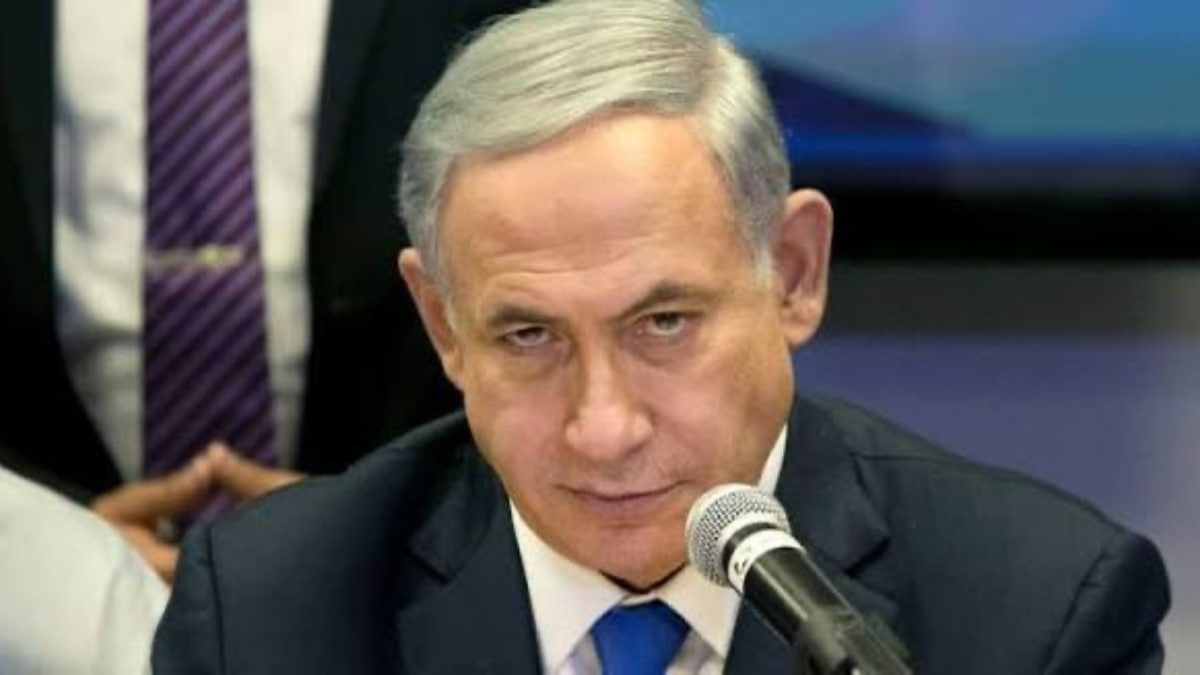
Opposition leader Yair Lapid denounces the truce announcement
Within hours of Donald Trump’s declaration of a two‑week pause in hostilities directed at Iran, Benjamin Netanyahu encountered a wave of criticism from across the political spectrum. Opposition leader Yair Lapid utilized the platform X to articulate a stark condemnation, asserting that the episode represents "never before in our history" a political catastrophe of such magnitude.
Yair Lapid emphasized that Israel was absent from the negotiating table when core decisions concerning national security were finalized. By repeatedly referencing "Israel" and "national security" in the same breath, Yair Lapid highlighted a perceived marginalization of Israeli interests in a process that fundamentally reshaped the security landscape of the region.
Adding further weight to the rebuke, Yair Lapid argued that the Israeli military fulfilled every directive it received. Yair Lapid praised the public for displaying "amazing resilience" amid a period of heightened tension. Nonetheless, Yair Lapid unequivocally blamed Benjamin Netanyahu for a failure that spanned political, strategic, and diplomatic dimensions.
Yair Lapid detailed that the damage inflicted by "arrogance, negligence, and a lack of strategic planning" would linger for years, necessitating a prolonged effort to rebuild confidence both within Israel and among its international partners. The former prime minister of Israel, Yair Lapid, pledged further commentary once additional information became available.
Yair Lapid’s statements in Hebrew underline the severity
Yair Lapid reinforced the English‑language criticism with a Hebrew declaration that echoed the same sentiment of unprecedented disaster. The Hebrew passage read: "לא היה אסון מדיני כזה בכל תולדותינו. ישראל לא היתה אפילו ליד השולחן כשנעשו החלטות הנוגעות לליבת הבטחון הלאומי שלנו. הצבא ביצע את כל מה שביקשו ממנו, הציבור הציג חוסן מדהים, אבל נתניהו נכשל מדינית, נכשל אסטרטגית, לא עמד באף אחת מהמטרות שהוא בעצמו הציב." The passage reiterated that the military executed all required actions, the public demonstrated remarkable resilience, yet Benjamin Netanyahu failed on political and strategic fronts and did not meet any of the self‑set objectives.
The closing fragment of Yair Lapid’s message, "ייקח לנו שנים לתקן את…", foreshadowed a prolonged recovery period, underscoring the belief that repair efforts would extend far beyond the immediate aftermath of the cease‑fire.
Israel’s conditional endorsement of the United States cease‑fire
Simultaneously, Israel’s official channels communicated support for the United States‑led suspension of Iranian strikes, but only under a series of explicit conditions. The Israeli government declared that it would back the two‑week cessation provided that Iran immediately reopened the Strait of Hormuz and ceased all attacks directed at the United States, Israel, and other regional actors.
The condition regarding the Strait of Hormuz was presented as a non‑negotiable prerequisite, reflecting Israel’s strategic interest in maintaining unhindered maritime traffic for both commercial and security purposes. The Israeli stance also demanded a cessation of hostile actions against Israel, thereby linking the broader cease‑fire to Israel’s direct security concerns.
According to statements from the Prime Minister’s office, the Israeli government emphasized that the cessation would not extend to Lebanon. The omission of Lebanon from the cease‑fire framework indicated a deliberate delineation of the scope of the pause, signaling that Israeli operations in Lebanon would continue unabated unless further diplomatic arrangements were reached.
United States rationale and regional implications
Donald Trump’s announcement of a two‑week pause was framed as an effort to de‑escalate tensions while creating diplomatic space for negotiations. The United States articulated a goal of reducing the risk of a broader conflagration that could involve multiple state and non‑state actors across the Middle East.
Donald Trump emphasized that the United States seeks to eliminate the possibility of Iran posing a nuclear, missile, or terror threat to the United States, Israel, and Arab nations throughout the region. By securing Israel’s conditional backing, Donald Trump aimed to present a unified front that could compel Iran to adhere to the stipulated conditions.
Officials from the White House confirmed that Israel had aGreed to suspend its own bombardment campaign against Iran for the duration of the two‑week interval. Additionally, a senior Pakistani diplomat, Shehbaz Sharif, who facilitated the mediation, reported that the aGreement also encompassed a halt to Israel’s military activities in Lebanon, although the Israeli government later clarified that Lebanon would not be covered.
Political fallout within Israel
The immediate political ramifications for Benjamin Netanyahu have been stark. Opposition leader Yair Lapid’s forceful critique has resonated within the Knesset and among the Israeli public, where the sentiment of betrayal and neglect appears to be gaining traction. Yair Lapid’s accusation that Benjamin Netanyahu “failed politically, failed strategically, and did not meet a single one of the goals that Benjamin Netanyahu set himself” has amplified calls for accountability.
Supporters of Benjamin Netanyahu argue that the conditional endorsement of the United States cease‑fire demonstrates strategic prudence, positioning Israel to avoid a wider war while preserving the ability to respond to any Iranian aggression. Nevertheless, the dissenting view articulated by Yair Lapid underscores a perception that Benjamin Netanyahu’s handling of the diplomatic process lacked foresight and undermined Israel’s sovereign decision‑making capacity.
The domestic debate has also touched upon the broader theme of Israel’s relationship with the United States. While the alliance remains a cornerstone of Israeli security policy, the current episode has prompted a re‑examination of the balance between Israeli autonomy and reliance on U.S. diplomatic initiatives.
Strategic considerations and future outlook
Looking ahead, the two‑week pause serves as a tentative bridge to potential negotiations between the United States and Iran. The Iranian side has indicated an intention to commence talks, though the exact venues and parameters remain under discussion. The United States has maintained a stance that any future aGreement must incorporate guarantees that Iran will not pursue nuclear, missile, or terror capabilities that threaten the United States, Israel, or regional partners.
From the Israeli perspective, the conditional nature of the support underscores a desire to retain leverage over any eventual settlement. By insisting on Iran’s immediate reopening of the Strait of Hormuz and an abrupt cessation of attacks, Israel seeks to secure tangible security concessions before any broader diplomatic resolution is reached.
In the context of regional stability, the involvement of other actors, including Pakistan’s Shehbaz Sharif, suggests a multilateral dimension to the mediation effort. The ongoing diplomatic engagement signals that the international community continues to prioritize de‑escalation, while simultaneously safeguarding the core security interests of the United States, Israel, and neighboring states.
Conclusion: A crossroads for Israeli leadership
The confluence of a United States‑initiated cease‑fire, Israel’s conditional approval, and Yair Lapid’s categorical condemnation of Benjamin Netanyahu encapsulates a pivotal moment in Israeli politics. The episode has exposed fissures within the Israeli leadership regarding the appropriate balance between diplomatic cooperation with the United States and the preservation of autonomous security decision‑making.
As the two‑week pause unfolds, the pressure on Benjamin Netanyahu to demonstrate both strategic acumen and political accountability will intensify. The assertion by Yair Lapid that “the political and strategic damage that Benjamin Netanyahu wrought due to arrogance, negligence, and a lack of strategic planning will take years to repair” looms over the coming weeks, setting the stage for an extended period of political recalibration.
Ultimately, the outcome of the temporary cease‑fire and the subsequent negotiations will shape not only the immediate security environment but also the longer‑term trajectory of Israel’s diplomatic posture within a volatile region.