Why I Started Paying Close Attention to the Islamabad Peace Effort
Honestly, I never imagined I would become a sort of arm‑chair observer of Middle‑Eastern peace talks while sipping chai at my tiny balcony in Bangalore. But when the news kept flashing the image of a heavily guarded Islamabad, where both Iranian and United States delegations were set to sit across a table, I realized this was something that could affect not just distant lands but also the price of oil that we pay at the petrol pump.
In most cases, my mornings begin with scrolling through headlines about cricket scores or the latest Bollywood release, yet this story kept pulling me back. The tension was palpable, the kind you feel when a monsoon storm is about to break and the whole neighbourhood braces itself.
Setting the Stage: Pakistan Turns Into a Diplomatic Fortress
Pakistan has basically transformed the capital city into a security‑tightened zone that feels like a fortified hotel. Local holidays have been extended until Saturday, a move that the authorities explained as necessary to keep the environment calm for the upcoming United States‑Iran ceasefire discussions.
While Pakistani mediators work round the clock inside the requisitioned Serena Hotel, the atmosphere is anything but relaxed. Pakistan Prime Minister Shehbaz Sharif described the whole exercise as a “make or break” moment, and the White House has repeatedly warned that the American military remains on a hair‑trigger alert even as diplomats talk.
From my viewpoint, the whole scene is reminiscent of the way we close roads during a big festival in India – the whole city slows down, security is heightened, and everyone is waiting to see whether the celebration will go smoothly or turn chaotic.
Iranian Delegation Arrives in Islamabad
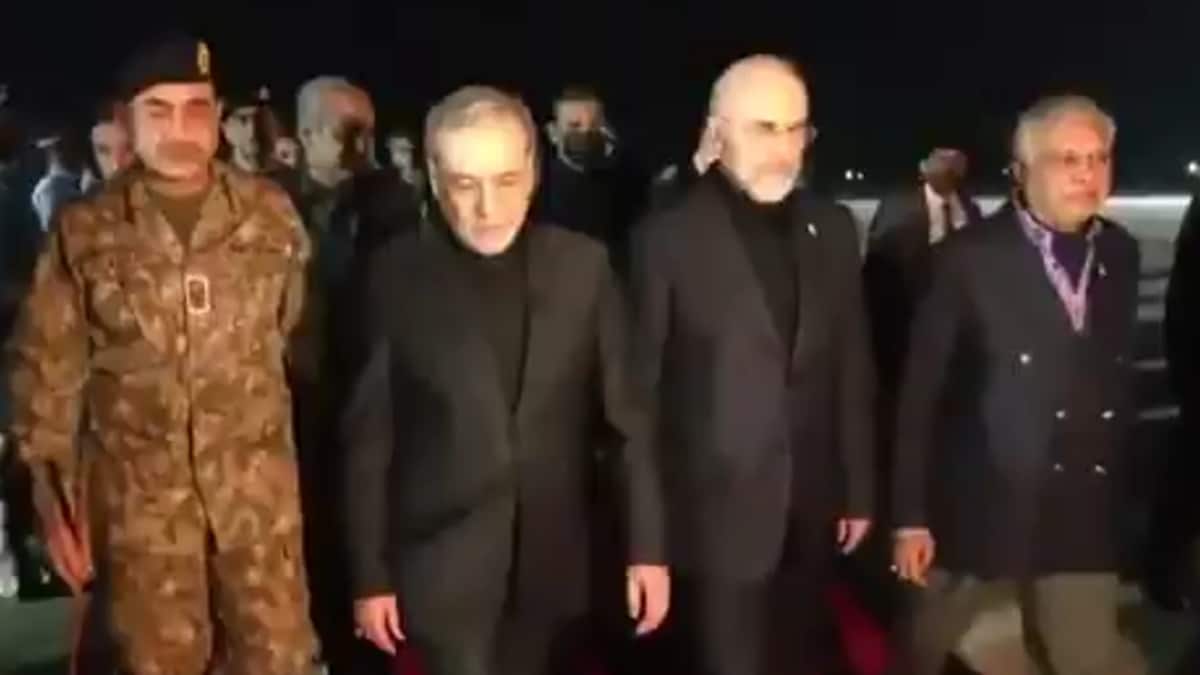
On a Saturday morning, the Iranian delegation landed in Islamabad, and I could almost hear the rumble of the aircraft as it touched down. The group was led by Parliament Speaker Mohammad‑Bagher Ghalibaf, and accompanied by Foreign Minister Seyed Abbas Aragchi, Secretary of the Defence Council Ali Akbar Ahmadian, Central Bank Governor Abdolnaser Hemmati, plus several members of Parliament.
Pakistan Foreign Minister Ishaq Dar, Army Chief Asim Munir and other high‑ranking Pakistani officials received the Iranian delegation at the airport. The reception was formal yet carried a tone of quiet urgency – you could sense that every handshake meant a step towards either peace or a deeper stalemate.
When I read about the composition of the Iranian team, I was struck by how many economic and defence figures were present. It reminded me of how in Indian coalition governments, you often see finance and defence ministers travelling together for crucial talks, signalling that the discussion will cover both money and military matters.
United States Delegation Makes Its Way to Islamabad
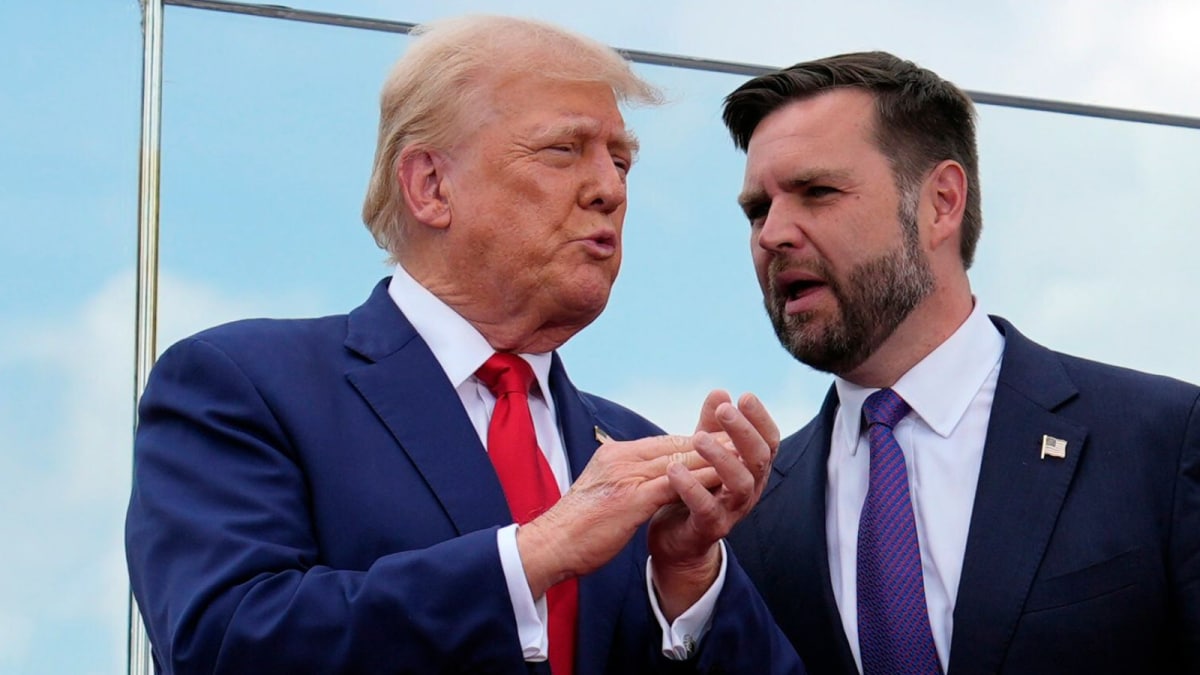
Just a day before the Iranian arrival, the United States delegation set off for Islamabad. The team was headed by Vice President JD Vance, who, before his departure, warned Iran not to try to “play” Washington.
Vance’s message was blunt: “If they’re going to try to play us, then they’re going to find the negotiating team is not that receptive.” The tone was unmistakably firm, and it set the stage for a showdown where every word would be weighed.
From my kitchen window, I imagined a scene similar to a high‑stakes cricket match where the captains come out for the toss – both sides trying to read each other’s intentions before the first ball is bowled.
Trump’s Straightforward Warning Ahead of Talks
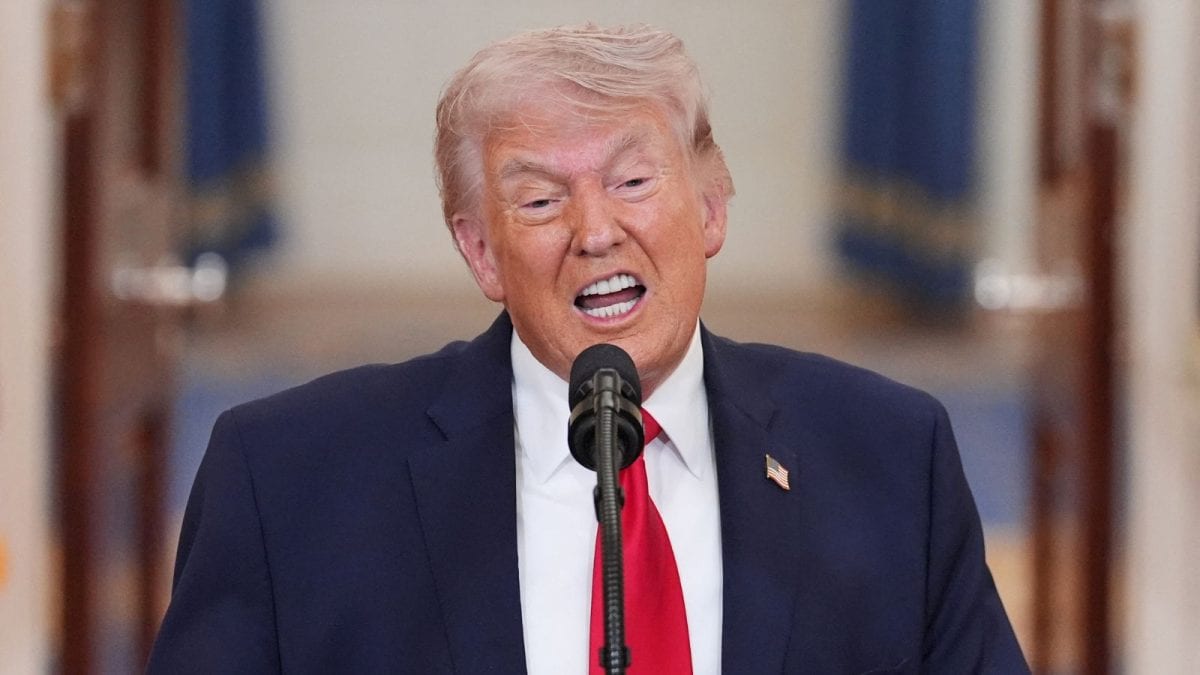
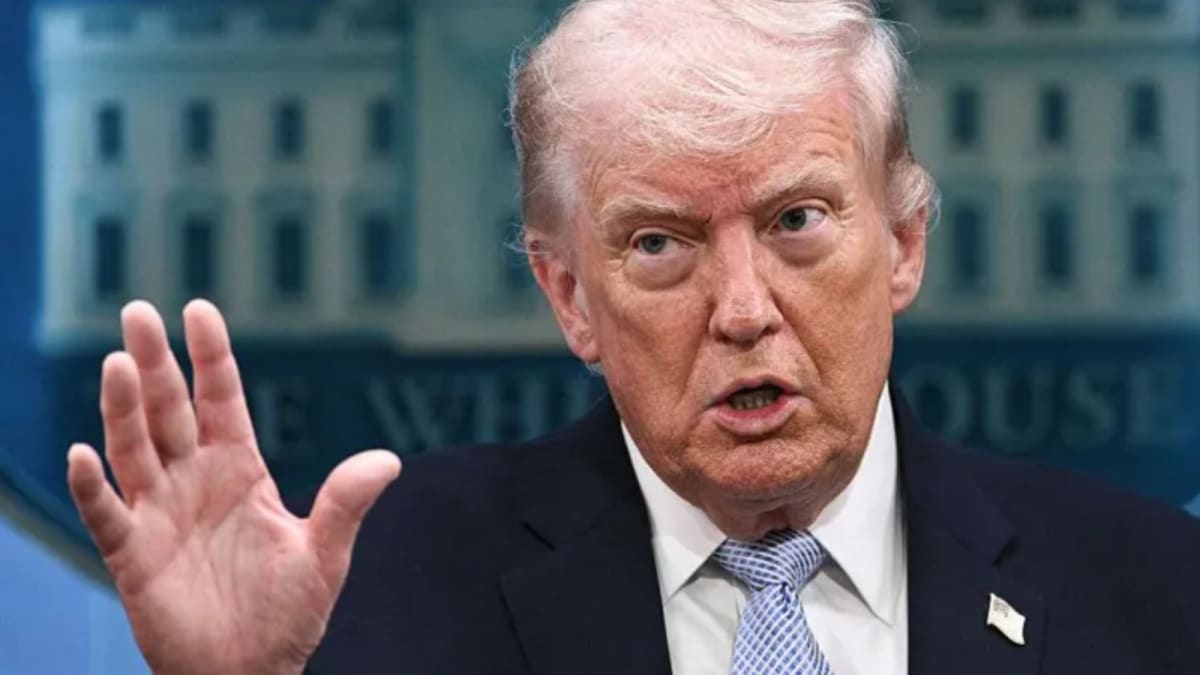
Adding another layer of complexity, former President Donald Trump took to his social platform and warned Iran that the current talks were not a meeting of equals. He said Iran had “no cards” except trying to pressure the world through the Strait of Hormuz, and highlighted the damage Iran’s forces had suffered in recent weeks.
Trump’s stark remark – “the only reason they are alive today is to negotiate” – amplified the pressure on both delegations. It was as if a senior Indian politician had just publicly called out a rival party for lacking credibility, making the entire negotiation arena feel even tighter.
In most cases, such strong statements can either push parties toward compromise or harden their positions. I found myself wondering which side would bend a little more in the corridors of the Serena Hotel.
Pakistan Prime Minister Shehbaz Sharif’s Call for Prayers
Amidst the diplomatic fireworks, Pakistan Prime Minister Shehbaz Sharif made a heartfelt appeal to the nation, urging everyone to pray to Allah for the success of the US‑Iran peace talks. He expressed deep gratitude that both the United States and Iran chose Pakistan as the neutral ground for these historic negotiations.
He credited Deputy Prime Minister and Foreign Minister Ishaq Dar, along with Field Marshal Asim Munir, for playing a crucial role in averting what he described as a potential “Great War” in West Asia. By bringing Washington and Tehran to the table, Pakistan Prime Minister Shehbaz Sharif asserted that the country performed a commendable global service, turning a narrative of active conflict into one of “Alhamdulillah, talking peace.”
This reminded me of how during a big Indian election, leaders often call for collective prayers, hoping that divine blessings will guide the political process. The sentiment was genuine, and it added a spiritual dimension to what otherwise felt like a high‑politics chess game.
Parallel Peace Initiative: Israel‑Lebanon Talks in Washington
While the United States‑Iran and Pakistan‑hosted talks were occupying the headlines, another diplomatic thread was being woven across the globe. The Lebanese and Israeli ambassadors to the United States made their first direct contact via a phone call, setting the stage for official peace talks scheduled for the following week in Washington.
The Lebanese Presidency announced that both countries aGreed to hold their first official meeting on a date in April at the United States State Department in Washington, with the United States acting as mediator. The call involved Lebanese envoy Nada Hamadeh Maacoud, Israeli ambassador Yechiel Leiter, and the United States ambassador to Lebanon.
According to the Lebanese officials, this conversation is part of a broader US‑led mediation effort to secure a ceasefire and pave the way for structured negotiations. A senior official in the Lebanese President’s office said that Lebanon will only join direct negotiations if a ceasefire is in place beforehand.
Just as the Indian government sometimes acts as a peace conduit between neighboring countries, the United States here is positioning itself as the bridge, trying to turn long‑standing animosity into a possible détente.
Underlying DisaGreements and the Path Forward
Despite the temporary truce that has been struck between the foes, deep disaGreements remain about how to transform that fragile ceasefire into a lasting peace deal. The Iranian delegation’s presence, with its mix of political, defence and economic officials, signals that Iran is looking at a comprehensive arrangement, not just a stop‑gap.
The United States delegation, led by Vice President JD Vance, meanwhile appears determined to extract concessions that would limit Iranian influence in the Strait of Hormuz and ensure regional stability.
Trump’s warning added an extra layer of complexity, making the atmosphere in Islamabad feel like a pressure cooker. I could almost hear the ticking of a metaphorical clock, counting down the moments before the negotiators either find common ground or walk away.
In most cases, peace talks of this magnitude require not only diplomatic skill but also a willingness from both sides to make painful compromises – something that we Indians understand well, as we often have to balance tradition with modern demands.
My Takeaway and What It Means for the Region
From where I sit, the whole episode feels like a massive, high‑stakes cricket league final – every ball matters, every player’s move is scrutinised, and the crowd (in this case the world) watches with bated breath. If Pakistan can keep the negotiations on track, it will not only boost its own diplomatic standing but also possibly steer a volatile part of the world toward a more stable future.
Meanwhile, the parallel Israel‑Lebanon talks in Washington add hope that regional conflicts can be addressed through dialogue rather than fire. It reminds me of stories back home where two neighbouring villages resolve old feuds over a shared cup of tea.
Overall, the story is still unfolding, and I will keep following it closely, hoping that the fragile ceasefire becomes a lasting peace and that the peoples of the region can finally breathe easier.