Hardik Singh Insists Athletes Must Respect Opponents, Rules Out Handshake Refusal Against Pakistan
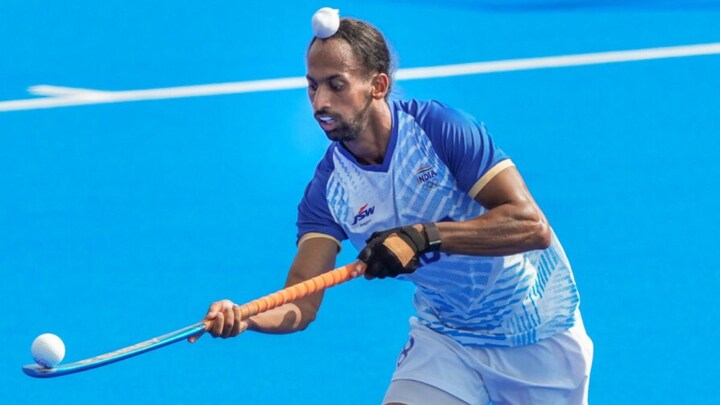
Hardik Singh reflects on leading India in the FIH Pro League, HIL fatigue, senior player controversy and upcoming high tension clashes vs Pakistan.
Leadership Assignment Amid a Challenging Campaign
When the Hobart stage of the FIH Pro League arrived, the responsibility of guiding the Indian side fell to Hardik Singh, the midfield dynamo who had earned the trust of the coaching staff. The appointment came after a rough spell in which the side had suffered defeats in four consecutive games at the previous venue, conceding a total of nineteen goals to elite opponents such as Belgium and Argentina. Hardik Singh thus entered the Hobart leg with a clear mandate: provide stability, inspire confidence and help the squad regain its competitive edge.
Regular captain Harmanpreet Singh was unavailable for personal reasons, leaving a leadership vacuum that Hardik Singh stepped into without hesitation. The first encounter in Hobart resulted in a narrow two‑goal loss to a European side, followed by a tightly contested shootout that ended in a five‑to‑four defeat against the host nation. A second shootout against the same European side produced another loss by a single goal margin. Despite the setbacks, the Indian side managed to turn the tide in the final match, securing a three‑to‑one shootout victory over the hosts and ending the leg on a positive note.
Back‑to‑Back Commitments: The Toll of an Overpacked Calendar
Hardik Singh added that the mindset heading into the Australian leg centered on delivering "110 percent hockey" while allowing the result to unfold naturally. The statement underscored a philosophy that prioritises effort and focus over short‑term outcomes.
The domestic league season concluded shortly before the commencement of the international league, leaving only a narrow window for recovery and preparation. Hardik Singh observed that the compressed timeline inevitably affected the team's readiness, stating, "I feel we were not fully prepared, as the HIL schedule was quite demanding. But again, that is part of our job. When we train, understand what needs to be done, and execute it, that is when we truly fulfil our role. I believe we have the potential to be the best team in the world."
When asked whether a more balanced schedule could ease the strain, Hardik Singh responded pragmatically, "I think it is possible. If it happens, great; if not, that is fine too. Honestly, whenever you wear the Indian jersey, it is never about being tired. There are so many people ready to take your place, and you have to remember that representing the nation is a privilege, not an excuse."
Selection Controversy and the Question of Experience
The buildup to the Pro League campaign was marked by a notable selection controversy. Former captain Manpreet Singh, along with Dilpreet Singh and goalkeeper Krishan Bahadur Pathak, found themselves omitted from the squad due to alleged disciplinary concerns. Hockey India president Dilip Tirkey further indicated that certain senior members had not demonstrated sufficient consistency.
Hardik Singh weighed in on the matter, emphasizing that form and performance must take precedence over seniority. "I think it is just a matter of form. You cannot overlook a decade of hard work from some athletes; experience always counts. For juniors, it takes two to three years in the system to truly understand the value of representing India and the importance of these tournaments before they can give their best," Hardik Singh explained.
Hardik Singh reinforced the principle that team composition hinges on fielding the most effective combination rather than honouring tenure, noting, "At the end of the day, it is not about seniority; it is about fielding the best possible combination."
Emerging Leaders Within the Squad
As a member of the leadership collective, Hardik Singh highlighted several younger athletes who possess the temperament and skill set to become future captains. Hardik Singh mentioned junior talents Manmeet Singh and Prince Deep Singh, suggesting that their development into senior leaders could span several years. Hardik Singh clarified, "It may not happen in four or five years; it could take seven or eight."
Hardik Singh also praised the steady contributions of established performers over the past few seasons. Hardik Singh cited Abhishek and Sukhjeet Singh for their consistent displays, Rajinder Singh for his reliability in midfield, Vishnu Kant Singh for his impressive breakthroughs, and Sanjay for his solid defensive work at full‑back. The assessment underscored a balanced blend of experience and emerging talent within the Indian camp.
Upcoming International Fixtures and the Heightened Rivalry with Pakistan
Looking ahead, the Indian side prepares for the next phases of the Pro League, which will take place in European cities beginning in the middle of the year. The schedule includes a high‑profile encounter with Pakistan, a neighbour with whom sporting relations have become increasingly strained following a recent security incident in the region.
The rivalry extends beyond the hockey pitch, mirroring broader geopolitical tensions that have manifested in other sports, notably cricket, where customary handshakes have been avoided. Hardik Singh addressed the question of whether similar gestures would be omitted in hockey, delivering a clear stance rooted in the ideals of sportsmanship.
Handshake Etiquette and the Spirit of Competition
When queried about the possibility of refusing a handshake in a match against Pakistan, Hardik Singh responded unequivocally, "No, we have not discussed that, but I believe that once you step onto the field, you must act like an athlete. Whatever the situation, refusing a handshake is not an option."
Hardik Singh expanded on the philosophy, stating that the act of shaking hands symbolizes mutual respect and that any deviation from this norm would undermine the very essence of competition. Hardik Singh added, "If we do not shake hands, then let’s not tackle them either. On the field, we respect our opponents, they respect us, and together we showcase great hockey to the world."
This perspective underscores a belief that sporting conduct must transcend political discord, emphasizing that the purview of the game remains rooted in fairness, respect, and the collective desire to present an exemplary spectacle for fans worldwide.