Uttarakhand Expands Commercial LPG Quota to 66% with New SOP
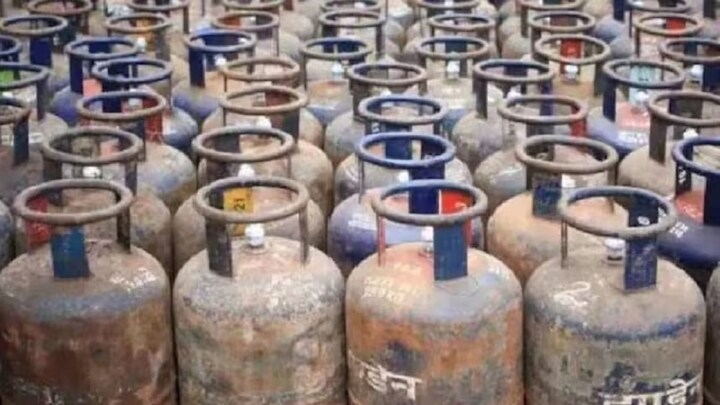
Under the new framework, oil marketing companies will continue supplying LPG based on their market share, while keeping District Magistrates informed about distribution.
Commercial LPG Supply Boost: The Uttarakhand government has rolled out a revised Standard Operating Procedure (SOP) for commercial LPG distribution. The updated SOP replaces earlier guidelines and is intended to manage the surge in demand while safeguarding a stable supply chain across the state.
Food and Civil Supplies Secretary Anand Swaroop explained that the state’s concerted push for piped natural gas (PNG) adoption has liberated an additional 6 percent quota for commercial LPG. When combined with a 20 percent allocation received from the Centre, the cumulative quota for Uttarakhand has risen from an earlier 40 percent to a new level of 66 percent. This significant increase reflects the government’s commitment to ensuring that commercial users have reliable access to LPG, especially during periods of heightened consumption.
The freshly minted SOP is crafted to introduce greater transparency, clear prioritisation, and systematic monitoring in the distribution process. The overarching goal is to minimise the risk of shortages that historically have been observed during high‑traffic intervals such as the Char Dham Yatra, the peak tourism season, and periods of intensified industrial activity.
Distribution Mechanics Under the New SOP
Under the new framework, oil marketing companies will continue supplying LPG based on their market share, while keeping District Magistrates informed about distribution. The requirement for oil marketing companies to report daily allocations to District Magistrates creates a two‑way communication channel that enables real‑time tracking of cylinder movement across the state.
Oil marketing companies, operating under the market‑share model, will allocate cylinders to customers in accordance with the proportions established by the SOP. Each allocation will be logged, and a copy of the daily distribution report will be forwarded to the District Magistrate of the relevant district. This systematic reporting ensures that District Magistrates have a comprehensive view of the supply status in their jurisdictions, allowing them to intervene promptly if anomalies arise.
Daily Cylinder Allocation Across Sectors
The SOP earmarks a daily supply of 6,310 LPG cylinders for commercial use, distributed across distinct user categories. The allocation breakdown is as follows:
- Hotels and resorts receive 1,500 cylinders, representing 24 percent of the daily quota. This allocation is designed to meet the needs of tourists and visitors who stay at hospitality establishments throughout Uttarakhand.
- Restaurants and dhabas are granted 2,000 cylinders, accounting for 32 percent of the total daily supply. The substantial share reflects the high turnover of food‑service outlets that cater to both locals and travelers.
- Government guest houses obtain 300 cylinders, which equates to 5 percent of the daily quota. These guest houses often host officials and delegations, necessitating a reliable LPG supply.
- Homestays, self‑help groups, and dairy units each receive an allocation of 200 cylinders, translating to 3 percent per category. The inclusion of these groups underscores the SOP’s intention to support small‑scale enterprises and community‑based initiatives.
- Priority industries, notably pharmaceuticals and hospitals, are allocated 1,250 cylinders, representing 20 percent of the daily distribution. The emphasis on critical sectors such as health care ensures that essential services remain uninterrupted.
Each sector’s allocation is calibrated to reflect its typical consumption patterns, thereby aligning supply with demand and reducing the likelihood of excess or shortage.
Regional Distribution of the Quota
When the SOP dissects the quota on a district‑by‑district basis, Dehradun emerges as the district with the largest share, absorbing 31 percent of the total daily allocation. This dominant share mirrors Dehradun’s status as the state’s administrative capital and a hub for commercial activity.
Haridwar and Nainital each command 13 percent of the daily quota, reflecting their importance as both tourist gateways and centers of commerce. The remaining districts receive portions of the quota proportional to their specific demand patterns, ensuring that every region obtains a fair share calibrated to local consumption trends.
The regional distribution framework is designed to be dynamic. Should demand patterns shift—for example, due to seasonal tourism spikes or industrial expansions—District Magistrates can recommend adjustments that are subsequently reflected in future allocation cycles.
Special Provision for Weddings
A distinctive element of the SOP is the dedicated provision for weddings, a cultural activity that frequently involves the use of LPG for catering purposes. The SOP allocates 660 cylinders per day—constituting 10 percent of the overall daily quota—to serve wedding events across Uttarakhand.
Under the stipulated guidelines, each wedding may utilise a maximum of two commercial LPG cylinders. Prior to the release of cylinders for any wedding, the event organizer must secure approval from the District Magistrate or an authorised official. This pre‑approval process is intended to prevent hoarding and ensure that the cylinders are genuinely required for the event.
Once the approvals are verified, distributors will issue temporary connections to the event venue. After the event, the cylinders are reclaimed and returned to the general pool, thereby maintaining the integrity of the overall quota and minimising the risk of misuse.
Dehradun and Nainital receive the highest share of the wedding quota, with each district allotted 176 cylinders per day. This allocation mirrors the high frequency of weddings in these districts and aligns with their broader share of the overall commercial LPG distribution.
Industrial Allocation Focus
Industrial allocations remain heavily concentrated in Dehradun, Haridwar, and Udham Singh Nagar. These districts host a substantial number of manufacturing units, pharmaceutical plants, and medical facilities that rely on LPG for their operational processes.
The SOP’s emphasis on prioritising these districts ensures that critical industrial operations receive a dependable fuel source, thereby supporting economic stability and continuity of essential services throughout Uttarakhand.
Operational Workflow and Oversight
In practice, the operational workflow under the SOP proceeds as follows:
- Oil marketing companies calculate the number of cylinders to be supplied to each sector and district based on market share and the allocation percentages defined in the SOP.
- Oil marketing companies compile a daily distribution report that details the exact number of cylinders dispatched to each district and sector.
- The daily distribution report is transmitted to the District Magistrate of the corresponding district, creating a transparent record of supply.
- District Magistrates review the report, verify that the allocations align with the SOP, and address any discrepancies immediately.
- For wedding-specific allocations, District Magistrates or authorised officials review applications, grant approvals, and ensure that the maximum two‑cylinder limit per event is respected.
- Distributors issue temporary connections to approved wedding venues, after which the cylinders are reclaimed and returned to the general pool.
- District Magistrates maintain ongoing oversight throughout the day, ready to intervene if demand spikes or supply chain disruptions occur.
This structured process provides a clear chain of accountability, from oil marketing companies through to District Magistrates, thereby reducing the likelihood of allocation errors or illicit diversion of LPG cylinders.
Anticipated Impact and Future Outlook
The increase of the commercial LPG quota from 40 percent to 66 percent, facilitated by the new SOP, is expected to deliver a more resilient supply chain for businesses, hospitality operators, and essential services throughout Uttarakhand. By anchoring the distribution process in transparent reporting and district‑level oversight, the state aims to mitigate the seasonal shortages that have historically afflicted high‑traffic periods.
Food and Civil Supplies Secretary Anand Swaroop highlighted that the enhanced quota, combined with the systematic SOP, creates a robust framework capable of adapting to fluctuating demand patterns without compromising supply integrity. The clear delineation of allocations for hotels, restaurants, government guest houses, homestays, self‑help groups, dairy units, priority industries, and weddings ensures that each stakeholder receives an appropriate share of the LPG supply.
Looking ahead, the SOP’s design allows for periodic reassessment. Should the demand landscape evolve—whether due to increased tourism, expansion of industrial activity, or broader adoption of alternative energy sources—District Magistrates can recommend adjustments that are seamlessly integrated into future allocation cycles.