West Asia War: From Oil To Condoms – Price Hike Fears In India
The West Asia War has sent shockwaves through the Indian economy.
Overview of the Economic Ripple Effect
West Asia War: India, as a massive importer of energy and petrochemical raw materials, finds itself exposed to the turbulence that accompanies any large‑scale conflict in a region that supplies a substantial share of global oil, natural gas, and related chemical feedstocks. The disruption of maritime trade routes, coupled with heightened geopolitical risk, creates an environment where the cost of imported commodities can rise sharply. When the price of crude oil climbs, the subsequent effect travels downstream, touching every sector that depends on petroleum‑based inputs.
Because India relies heavily on imported fuel to power its transportation network, generate electricity, and feed its industrial complexes, any upward pressure on global oil prices translates directly into higher domestic costs. The phenomenon, often described as “trickle‑down inflation,” means that the initial shock at the import level does not stay confined to energy markets; it gradually amplifies across a wide spectrum of goods and services. In the current climate, the West Asia War is acting as the catalyst that could push ordinary Indian households toward noticeably higher expenditures.
Fuel Prices and Transportation Costs
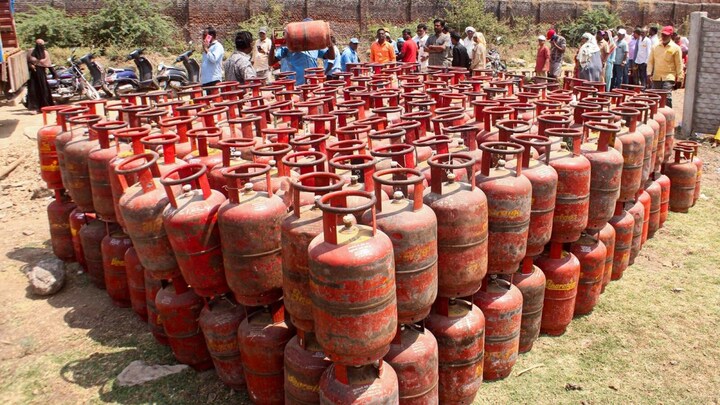
Fuel stands as the most visible and immediate conduit through which the West Asia War can affect the Indian consumer. When crude oil prices increase, refiners such as IndianOil face higher input costs. IndianOil, a major player in the nation’s fuel distribution network, has publicly emphasized the safety of LPG supply and warned consumers against panic‑driven cylinder bookings. Nonetheless, the broader market for gasoline, diesel, and aviation turbine fuel is subject to the same global pricing dynamics.
Transportation companies that operate fleets of trucks, buses, and taxis must absorb higher fuel expenses, which often results in adjusted freight charges and increased fares for commuters. Public transport operators, private logistics providers, and ride‑sharing platforms alike experience a pressure to pass a portion of the added cost onto passengers or shippers. For Indian consumers who rely on daily commutes, the cumulative impact can be a noticeable dent in disposable income.
Beyond road transport, the aviation sector also feels the strain. Airlines purchase fuel on international markets, and any surge in jet fuel price directly influences ticket pricing. While airline ticket adjustments may not be instantaneous, the upward trajectory set by the West Asia War creates an environment in which fare hikes become more likely over time.
Industrial Production and Petrochemical Dependence
India’s manufacturing landscape is interwoven with petrochemical inputs that originate, in part, from the West Asia region. Plastics, synthetic fibers, and a host of chemical intermediates are derived from hydrocarbon feedstocks. When the West Asia War curtails the smooth flow of these raw materials, manufacturers encounter tighter supply and elevated procurement costs.
Higher input costs compel producers to reassess pricing strategies for finished goods. Companies that manufacture consumer products such as packaged foods, toiletries, and household cleaning agents often incorporate a margin that reflects raw material expenses. As the cost of petrochemical components rises, the price tags on everyday items—ranging from shampoo bottles to detergent packets—are susceptible to upward revisions.
The ripple effect is not confined to large corporate entities. Small and medium‑sized enterprises that depend on affordable raw materials also experience cost pressure, which can translate into reduced profit margins or the necessity to increase retail prices. Indian consumers, especially those from lower‑income brackets, may feel the impact most acutely.
Household Essentials: From Fuel to Personal Care
The West Asia War’s influence can be traced from the top of the economic pyramid down to items that sit on the kitchen counter or bathroom shelf. While fuel prices dominate headlines, the less obvious yet equally significant rise in the cost of personal care products deserves attention. Items such as condoms, which are manufactured using petrochemical derivatives, illustrate how a conflict far from India’s borders can affect intimate aspects of daily life.
Condoms, lubricants, and other contraceptive supplies rely on latex and synthetic polymers that are ultimately linked to oil‑based feedstocks. When the West Asia War drives up the price of these feedstocks, manufacturers face higher production expenses. Retailers, in turn, adjust shelf prices to reflect the new cost structure. The resulting price increase may appear modest on a per‑unit basis, but over time, the aggregate expense for households adds up, especially in families that prioritize reproductive health.
Beyond contraceptives, a host of other household essentials—including cooking gas cylinders, cleaning agents, and personal hygiene products—share a common dependency on petrochemical inputs. The West Asia War, therefore, can be understood as a catalyst that subtly shifts the price landscape across a wide array of goods that Indian families rely upon each day.
Consumer Sentiment and Market Behavior
When news of the West Asia War spreads, consumer psychology often shifts toward heightened caution. Indian consumers, aware of potential price volatility, may alter purchasing habits by stockpiling certain items, seeking alternative brands, or reducing discretionary spending. IndianOil’s call for calm and its assurance regarding LPG supply aim to curb panic‑driven behavior that could otherwise exacerbate shortages.
Retailers, observing a change in demand patterns, may adjust inventory strategies, prioritize fast‑moving items, and revisit promotional pricing. Meanwhile, e‑commerce platforms experience a surge in searches for price‑stable products, prompting sellers to highlight guarantees of supply continuity. The overall market milieu becomes a delicate balancing act, with supply chain participants striving to meet demand without inflating prices beyond reasonable limits.
In the absence of overt price controls, the natural market response to the West Asia War hinges on the interplay between supply constraints and consumer willingness to pay. The resulting equilibrium determines whether price hikes remain moderate or become more pronounced over the medium term.
Policy Responses and Regulatory Outlook
Government authorities monitor the economic fallout from the West Asia War closely, recognizing that inflationary pressure on fuels and essential commodities can erode purchasing power. Policy tools such as adjusting excise duties, modulating subsidies, and managing strategic reserves may be employed to mitigate sharp price spikes.
IndianOil, as a state‑influenced entity, often works in coordination with fiscal policymakers to ensure that essential fuels remain accessible. By communicating supply security and discouraging speculative bookings, IndianOil contributes to a broader effort aimed at stabilizing market expectations.
Regulatory bodies also keep a watchful eye on price‑setting mechanisms within the retail sector, ready to intervene should any unfair pricing practices emerge. The goal of these interventions is to preserve market confidence while allowing the natural price discovery process to function without undue distortion.
Practical Advice for Indian Consumers
In light of the West Asia War, Indian consumers can adopt a set of prudent measures to navigate the evolving price environment. First, continue to follow official communications from IndianOil and other reputable sources regarding fuel availability, as such updates help avoid unnecessary panic purchases.
Second, maintain a balanced inventory of essential items—such as LPG cylinders, cooking gas, and basic household necessities—without resorting to hoarding, which can inadvertently create artificial shortages. Third, explore price‑comparison tools and consider bulk buying for non‑perishable goods when discounts are offered, as this practice can offset incremental price rises.
Finally, stay informed about any policy adjustments related to subsidies or tax changes that may influence final retail prices. By remaining vigilant and adopting a measured approach, Indian consumers can mitigate the impact of the West Asia War on household budgets.