Scorching Summer? 7 No‑Cook Breakfasts Ideal for Warm Mornings
Leave the stove behind and begin the day with effortless, no‑cook breakfast options that keep you cool, energized, and prepared for whatever lies ahead.
Why Skip the Stove When the Temperature Rises?
When the mercury climbs, the mere thought of turning on a stovetop can feel like an invitation to a sauna. The heat generated by burners, ovens, and toasters not only raises the temperature of the kitchen but also adds to overall household warmth. In such circumstances, keeping the cooking process simple and cold‑centric becomes a practical strategy for preserving comfort.
Beyond the immediate benefit of a cooler home environment, forgoing heat‑based cooking conserves energy, reduces utility costs, and curtails the time spent standing over hot appliances. This shift aligns perfectly with the fast‑paced rhythm of modern life, where mornings often resemble a sprint rather than a marathon.
The Core Benefits of No‑Cook Breakfasts
Choosing a breakfast that requires no heat delivers a suite of advantages that extend beyond temperature control.
- Hydration Boost: Many cold‑meal components—such as fresh fruit, chilled dairy, and liquid‑based bases—contribute to the daily water intake, a crucial factor during hot weather.
- Rapid Assembly: With ingredients often pre‑prepared or ready to eat, the assembly process can be completed in under five minutes, freeing valuable time for other morning commitments.
- Nutrient Preservation: Heat can degrade certain vitamins, notably vitamin C and some B‑complex vitamins. Serving foods cold helps retain these nutrients, delivering a more wholesome start to the day.
- Versatility and Customisation: No‑cook meals lend themselves to endless variations, allowing individuals to adapt portions, flavors, and textures to personal taste and dietary preferences.
Key Principles for Crafting a Balanced No‑Cook Breakfast
Even without a flame, a nourishing morning plate can be assembled by adhering to three fundamental nutritional pillars: protein, complex carbohydrates, and healthy fats. By deliberately selecting items that fulfil each pillar, one can enjoy sustained energy, steady blood‑sugar levels, and a feeling of satiety that lasts well into mid‑morning.
Typical protein sources in a cold‑meal setting include Greek yogurt, cottage cheese, milk, plant‑based milks fortified with protein, nuts, seeds, and legumes prepared the night before. Complex carbohydrates arrive in the form of whole‑grain cereals, oats that have been soaked, granola, and fiber‑rich fruit. Healthy fats are supplied by avocado, nut butters, chia seeds, and a drizzle of extra‑virgin olive oil when desired.
When these components are combined thoughtfully, the resulting breakfast mirrors the nutritional completeness of a cooked meal, all while staying refreshingly cool.
Seven No‑Cook Breakfast Options Perfect for Warm Mornings
Below is a curated list of seven breakfast concepts that embody the no‑cook philosophy. Each entry follows the same naming convention and does not employ alternate references, ensuring consistency throughout the article.
-
Fresh Fruit Medley with Yogurt
A bowl that pairs a handful of sliced seasonal fruit with a generous scoop of plain Greek yogurt. The fruit provides natural sweetness and antioxidants, while the yogurt supplies protein and probiotics. A sprinkle of chopped nuts adds crunch and healthy fats.
-
Overnight‑Soaked Oatmeal
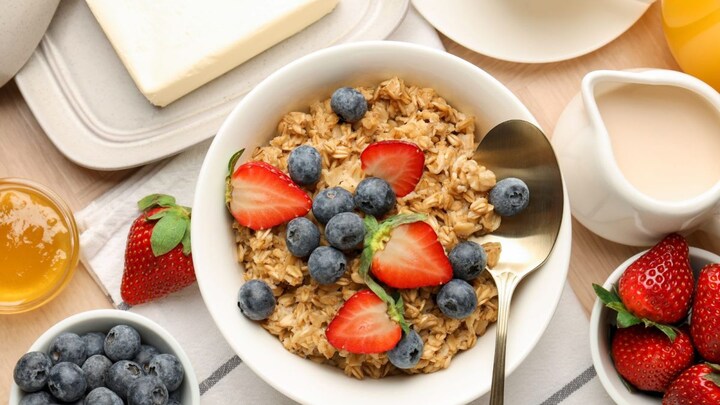
Rolled oats left to soak overnight in cold milk or a plant‑based alternative absorb the liquid, yielding a creamy texture without heat. Morning toppings might include berries, a drizzle of honey, and a dash of cinnamon for flavor depth.
-
Nut‑Infused Chia Pudding
Chia seeds mixed with cold almond milk and a touch of sweetener develop a gel‑like consistency after several hours. The pudding can be finished with sliced banana and a handful of toasted coconut flakes for texture contrast.
-
Granola and Milk Combination
Whole‑grain granola served over cold milk or a fortified soy beverage creates a quick, satisfying crunch. Adding raisins or dried apricots introduces natural sugars and a chewy element.
-
Protein‑Rich Smoothie Bowl
A thick blend of frozen berries, banana, protein powder, and cold oat milk poured into a bowl. The surface can be dotted with pumpkin seeds, sliced kiwi, and a spoonful of almond butter for added nutrients.
-
Avocado and Tomato Toast on Pre‑Toasted Bread
Thin slices of bread that were toasted the previous evening become the base for ripe avocado mash and cherry‑tomato halves. A pinch of sea salt and cracked pepper complete the flavor profile.
-
Cottage Cheese with Pineapple Chunks
Cottage cheese combined with sweet pineapple pieces delivers a refreshing, protein‑dense option. A scatter of chia seeds boosts the omega‑3 content and adds a subtle crunch.
Each of these seven ideas respects the no‑cook principle, keeping the kitchen cool while delivering the macro‑nutrient balance essential for a productive day.
Practical Tips for Streamlining Morning Preparation
To make the most of no‑cook breakfasts, a small amount of planning the night before can transform a potentially chaotic morning into a seamless routine.
- Pre‑Portion Ingredients: Store individual servings of nuts, seeds, and granola in reusable containers so they are ready to sprinkle without measuring each day.
- Prepare Overnight Bases: Use jars or sealed bowls to soak oats, chia seeds, or quinoa in advance. This eliminates the need for any heating equipment.
- Keep Fresh Produce Accessible: Wash, peel, and slice fruit the evening prior, then store in airtight containers in the refrigerator. This reduces chopping time at sunrise.
- Utilise Multi‑Functional Tools: A good-quality blender or food processor can transform frozen fruit and liquids into smooth bowls or thick drinks with a single press of a button.
- Design a Dedicated Breakfast Station: Allocate a small countertop area for bowls, spoons, and jars. Having a fixed spot limits the need to search for tools in the rush of the morning.
Addressing Common Concerns About Cold Meals
Some individuals worry that a cold breakfast might feel insufficiently filling or lack the comfort associated with a hot plate of food. The following points address those misconceptions.
- Satiation Through Fiber and Protein: Foods rich in soluble fiber—such as chia seeds and oats—expand in the stomach, creating a sense of fullness comparable to traditional cooked dishes.
- Thermal Comfort Alternatives: If a gentle warmth is desired, consider using a pre‑heated plate (removed from the oven before the heat rises) or a brief dip of the bowl in warm water, ensuring the overall temperature remains low.
- Flavor Depth Without Heat: Fresh herbs, citrus zest, and natural sweeteners can amplify taste without requiring cooking, delivering a satisfying palate experience.
Environmental and Economic Impact of No‑Cook Breakfasts
Reducing reliance on stovetops and ovens directly translates into lower energy consumption. In areas where electricity generation depends on fossil fuels, each kilowatt‑hour saved diminishes carbon emissions. Moreover, many no‑cook options utilise pantry staples that are often less expensive per serving than processed heat‑ready meals.
By incorporating these seven breakfast concepts into a regular routine, households can enjoy measurable savings on utility bills while simultaneously lowering their ecological footprint.
Conclusion: Embrace Cool Comfort for a Productive Day
When the sun radiates its full intensity, the kitchen can become an inadvertent source of discomfort. Opting for a no‑cook breakfast—whether it is a fruit‑yogurt bowl, an overnight‑soaked oatmeal, or a protein‑rich smoothie—offers a practical solution that aligns with health goals, energy efficiency, and the desire for a breezy start.
By preparing ingredients ahead of time, adhering to the three nutritional pillars, and choosing from the seven curated options, anyone can navigate summer mornings with confidence, staying refreshed, energized, and fully equipped to tackle the tasks ahead.